
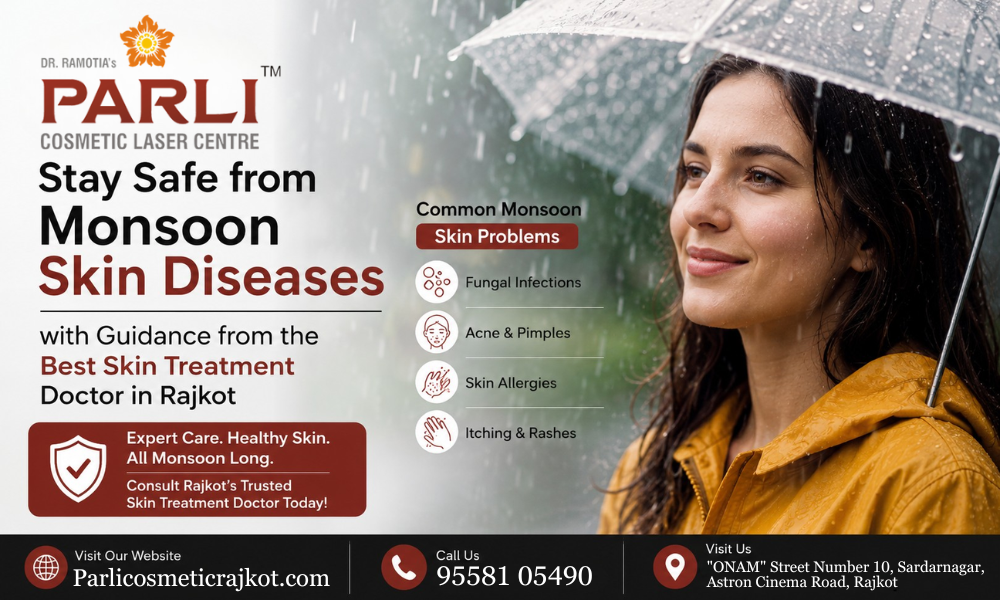
The monsoon season brings much-needed relief from the scorching summer heat. The pleasant weather, refreshing rain, and cooler temperatures make it one of the most loved seasons of the year. However, while monsoon offers comfort from rising temperatures, it also creates favorable conditions for various skin problems. Increased humidity, damp clothing, excessive sweating, and exposure to contaminated water can lead to a wide range of skin diseases and infections.
During the rainy season, maintaining proper skin hygiene becomes more important than ever. Ignoring minor skin issues can sometimes result in severe infections that require medical attention. This is why consulting the best Skin Treatment Doctor in Rajkot can help individuals identify, prevent, and treat monsoon-related skin problems before they become serious.
Why Skin Problems Increase During Monsoon
The rainy season creates a humid environment that allows bacteria, fungi, and other microorganisms to thrive. When the skin remains damp for prolonged periods, it becomes vulnerable to infections and irritation.
Several factors contribute to skin problems during monsoon:
- Increased humidity causing excessive sweating
- Wet clothes and footwear creating fungal growth
- Dirty rainwater exposure
- Poor skin hygiene
- Blocked pores due to sweat and pollution
- Weakened skin barrier due to moisture imbalance
As a result, people often experience fungal infections, rashes, allergies, itching, acne breakouts, and other skin-related concerns during this season.
Common Monsoon Skin Diseases
- Fungal Infections
Fungal infections are among the most common skin problems during monsoon. Areas such as the feet, underarms, groin, neck folds, and between fingers are especially vulnerable.
Common symptoms include:
- Red patches
- Persistent itching
- Burning sensation
- Peeling skin
- Circular rashes
Conditions such as ringworm, athlete’s foot, and candidiasis become more common due to moisture accumulation.
- Acne and Pimples
Many people notice an increase in acne during monsoon. Excess humidity causes the skin to produce more oil, leading to clogged pores and bacterial growth.
Acne outbreaks can occur on:
- Face
- Back
- Chest
- Shoulders
Individuals with oily skin are particularly prone to experiencing monsoon-related acne flare-ups.
- Skin Allergies
Rainwater mixed with pollutants, dust, and environmental contaminants can trigger allergic reactions in sensitive individuals.
Common symptoms include:
- Itching
- Redness
- Swelling
- Skin irritation
- Hives
Seeking timely medical advice can prevent allergies from worsening.
- Heat Rashes
Although monsoon brings cooler weather, high humidity often causes excessive sweating. Sweat trapped under the skin may result in heat rashes. Consult an experienced Skin Treatment Doctor in Rajkot for personalized diagnosis and effective treatment for all types of skin, hair, and nail conditions.
Symptoms include:
- Tiny red bumps
- Itching
- Prickling sensation
- Mild inflammation
Heat rashes are particularly common among children and people who spend long hours outdoors.
- Eczema Flare-Ups
People suffering from eczema often notice worsening symptoms during monsoon due to moisture fluctuations and allergens.
Common signs include:
- Dry patches
- Itchy skin
- Cracked skin
- Red inflamed areas
Proper treatment can help manage symptoms effectively.
Effective Monsoon Skin Care Tips
Keep Your Skin Clean
Maintaining cleanliness is the first step toward preventing skin infections.
Simple practices include:
- Washing your face twice daily
- Bathing regularly
- Using mild cleansers
- Removing sweat and dirt promptly
Clean skin reduces the risk of bacterial and fungal growth.
Dry Your Skin Thoroughly
Many skin infections develop when moisture remains trapped in skin folds.
Pay special attention to:
- Feet
- Toes
- Underarms
- Groin area
- Neck folds
Always dry these areas completely after bathing or getting wet in the rain.
Wear Breathable Clothing
Choose lightweight and breathable fabrics such as cotton that allow proper air circulation.
Avoid:
- Tight clothing
- Damp garments
- Synthetic fabrics for extended periods
Dry clothes help minimize fungal growth and skin irritation.
Maintain Foot Hygiene
Wet footwear creates ideal conditions for fungal infections.
Helpful measures include:
- Wearing waterproof footwear
- Changing socks regularly
- Keeping feet dry
- Avoiding prolonged use of wet shoes
Proper foot care significantly reduces infection risks.
Stay Hydrated
Many people mistakenly reduce water intake during monsoon. However, hydration remains essential for healthy skin. Choose a professional Skin Treatment Doctor in Rajkot for advanced skin treatments that promote healthy, radiant skin through safe and evidence-based medical care.
Benefits of adequate hydration include:
- Better skin elasticity
- Improved toxin removal
- Reduced dryness
- Enhanced skin health
Drinking sufficient water supports overall skin function.
Avoid Sharing Personal Items
Sharing towels, clothing, footwear, and personal hygiene products can spread fungal and bacterial infections.
Use personal items separately and wash them regularly.
Importance of a Healthy Diet During Monsoon
Skin health is closely linked to nutrition. Consuming a balanced diet strengthens the immune system and improves the body’s ability to fight infections.
Include:
- Fresh fruits
- Seasonal vegetables
- Protein-rich foods
- Nuts and seeds
- Vitamin C-rich foods
Limit:
- Excess oily foods
- Processed snacks
- Excess sugar consumption
A healthy diet supports glowing and resilient skin throughout the rainy season.
When Should You Visit a Skin Specialist?
While minor skin issues may resolve with proper care, certain symptoms require professional evaluation.
Consult a skin treatment doctor if you experience:
- Persistent itching
- Recurrent fungal infections
- Severe acne breakouts
- Skin allergies
- Painful rashes
- Skin discoloration
- Non-healing skin lesions
Early diagnosis often leads to faster recovery and prevents complications.
How the Best Skin Treatment Doctor in Rajkot Can Help
A qualified skin specialist can accurately diagnose the underlying cause of skin problems and recommend personalized treatment plans.
Professional dermatological care may include:
- Detailed skin examination
- Allergy identification
- Treatment for fungal infections
- Acne management solutions
- Prescription medications
- Preventive skin care guidance
Every individual has a unique skin type and medical history. Therefore, personalized treatment often delivers better results than self-medication. Get comprehensive dermatology care from an experienced Skin Treatment Doctor in Rajkot specializing in medical, cosmetic, and laser skin treatments.
Benefits of Early Skin Treatment
Ignoring skin symptoms can allow infections to spread and become more difficult to treat.
Early treatment offers several advantages:
- Faster healing
- Reduced discomfort
- Prevention of complications
- Lower risk of recurrence
- Improved skin appearance
Prompt medical attention can save time, money, and unnecessary suffering.
Special Care for Children and Senior Citizens
Children and elderly individuals often have more sensitive skin and may be more vulnerable to monsoon-related infections.
Parents and caregivers should:
- Keep skin clean and dry
- Change wet clothing immediately
- Monitor for unusual rashes
- Seek medical advice when necessary
Preventive care is especially important for these age groups.
Conclusion
Monsoon is a beautiful season, but it also brings unique challenges for skin health. Increased humidity, sweating, contaminated water exposure, and fungal growth can lead to a variety of skin diseases if proper precautions are not taken. Fortunately, most monsoon-related skin problems can be prevented through good hygiene practices, proper nutrition, suitable clothing choices, and timely medical care.
By following expert skin care recommendations and seeking guidance from the best skin treatment doctor in Rajkot whenever symptoms arise, individuals can enjoy the rainy season without compromising their skin health. Prevention, awareness, and early treatment remain the most effective ways to keep your skin healthy, comfortable, and disease-free throughout the monsoon season.